This article may contain affiliate / compensated links at no extra cost to you. For full information, please see our disclaimer here.
Wanting to see the big five and have the best wildlife vacation? An African safari is a must-do - even if only once in a lifetime- it's on the bucket list for the majority of travelers.
When should I go? Should I book a guided tour or drive myself? What should I pack?
If you’ve ever had the same questions, you’re not alone. Planning your first safari can feel overwhelming, but it doesn’t have to be.
So, if you’ve been wondering how to plan the perfect safari in South Africa, then read through the guide below:
Why Choose a Self-Drive Safari in Kruger?
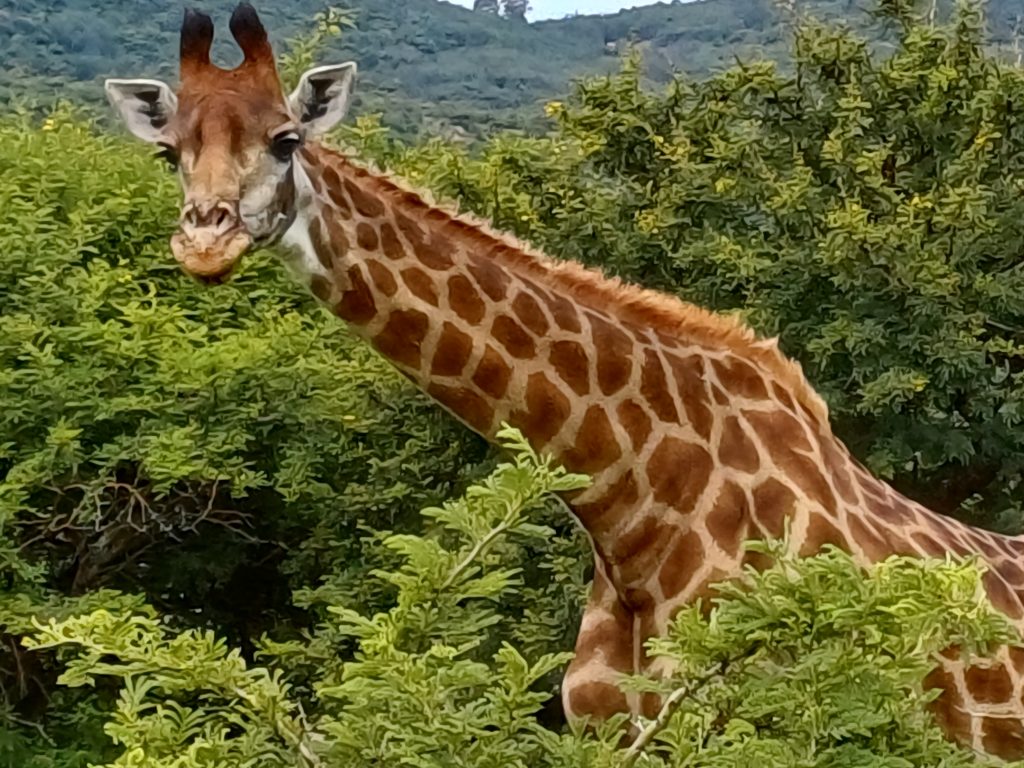
Kruger National Park is one of the most famous safari parks in the world. It stretches for 350 km (217 miles) from north to south and averages 60 kilometers in width, which makes it bigger than Ireland. It’s nearly 2,000 ha and is in the northeast of South Africa and is home to the Big Five: lions, leopards, elephants, rhinos, and buffalo. It’s also full of giraffes, wildebeest, kudus, zebras, wild dogs, hippos, crocodiles, and hundreds of types of birds.
Many people choose guided tours or stay in expensive private game reserves nearby. But those can cost thousands of dollars. If you want a more budget-friendly safari that’s just as exciting, self-driving Kruger National Park is the way to go.
Here’s why:
-
Save Money: You’ll spend far less than on a guided luxury tour.
-
Go at Your Own Pace: Stop when and where you want.
-
Enjoy the Adventure: There’s something magical about finding animals on your own.
-
Comfortable and Safe Roads: The main roads inside Kruger are well-maintained.
It does take some planning, but it’s fun and totally worth it!
Getting to Kruger National Park
There are two main ways to get to Kruger:
Option 1: Fly to a Nearby City
Most people fly into OR Tambo International Airport in Johannesburg. From there, you can rent a car at the airport and drive to Kruger. It takes about 5 hours depending on which gate you’re entering. The roads are good and easy to drive.
Option 2: Fly Directly into the Park
There’s also a small airport inside Kruger called Skukuza Airport. There are now direct flights from Cape Town too, so it is a fantastic option if you only wish to do the Cape and a Big 5 experience. It’s more expensive to fly here and has fewer flights, but it’s a great choice if you don’t want to drive outside of the park. You can rent a car at Skukuza and start your self-drive adventure right away!

Renting a Car for Your Safari
To do a self-drive safari, you’ll need to rent a car. This part is simple but important.
What Kind of Car Should You Get?
-
Small SUV or Bakkie (Pickup): This is ideal. It gives you better height to see over bushes.
-
Automatic Transmission: If you don’t drive manual, book early! Automatics are in high demand.
-
Air Conditioning: It can get very hot in Kruger, even in winter.
Rental cars are available at both Johannesburg Airport and Skukuza Airport. Just be sure to check your rental terms, especially about driving in national parks.
How to Enter Kruger National Park
Kruger has multiple gates, and you’ll choose one based on where you plan to stay. The most popular gates below are in the bottom portion of Kruger and include the following:
-
Paul Kruger Gate
-
Malelane Gate
-
Phabeni Gate
You can pay the daily conservation fee (about $30 p/d p/p) when you enter or book everything online ahead of time through the SANParks website.
Tip: If staying outside of Kruger, then try to be at the gate early in the morning! Animals are most active at sunrise and sunset.
Where to Stay in Kruger
It generally is better to stay in the park rather than outside. You have many choices for where to stay inside Kruger National Park. These are called rest camps, and they offer different kinds of accommodation
Types of Rest Camp Stays
-
Bungalows: Small houses with beds, kitchens, and bathrooms. The average nightly rate for 2 is $100.
-
Safari Tents: More rustic, but fun! The average rate for 2 is $50 p/n.
-
Camping: If you have your own gear. $20 per site.
-
Guest Houses: For families or groups. From $200 p/n for 4 people.
Popular camps include the following:
-
Skukuza (largest and most central). Personally, I prefer Skukuza, as it is so central and has a large choice of accommodation; if you don't wish to cook yourself, there is a restaurant plus a golf course for the golfer.
-
Lower Sabie (great for spotting cats)
-
Satara (big cat country!)
You can book these online at sanparks.org. Or email reservations@sanparks.org. Book early, especially during school holidays!
What to Pack for Your Self-Drive Kruger Adventure
Bring these items with you, as you will want to take them on your daily drives:
-
Binoculars
-
Camera with zoom lens
-
Water bottles and snacks
-
Sunscreen and hat
-
Safari guidebook or app
-
Cell phone charger and power bank
-
First aid kit - mosquito repellents, antimalarials, and antihistamines.
- Torch for the night.
-
Cooler box (many camps have shops and fridges)
You’ll also want to download the SANParks app or a Kruger-specific map app so you can keep track of your location.

What’s It Like Driving Yourself?
Driving yourself around Kruger is like going on a treasure hunt—but with lions, elephants, and hyenas! If you want to get a taste of a guided game drive, then you can book it from most camps, and also night drives, which you cannot do yourself.
The main roads are paved and easy to drive. Dirt roads are also safe and allowed for rental cars (but double-check your rental agreement). The speed limit is 50 km/h on tar roads and 40 km/h on gravel.
You’ll be surprised how many animals you can spot just from your car. You must stay inside your vehicle at all times, except at marked picnic spots and camps.
Tip: Turn off the car engine when you stop to watch animals — you’ll hear birds and animal calls more clearly.
Best Times to Visit Kruger National Park
Kruger is open all year, but some times are better for game viewing:
Dry Season (May to September)
-
Cooler temperatures
-
Easier to spot animals (less grass)
-
Great for photographers
Rainy Season (October to March)
-
Lush green landscapes
-
Baby animals everywhere
-
Birdwatching is amazing
If you want to avoid crowds and get better rates, try visiting during May, June, or September.
Tips for a Great Self-Drive Safari
Here are some top tips for your self-drive Kruger National Park adventure:
-
Start Early: Be out when the gates open.
- Stay on Designated Roads: You are not allowed to drive off-road or get out of your vehicle unless you are in a designated area.
-
Drive Slowly: Don’t rush—animals move slowly too. Give yourself enough time to get back to camp before the gates are locked at night.
-
Look for Clues: Take it easy and spot all the small things, from insects to birds or the smaller animals like the mongoose.
-
Don’t Crowd: If there’s a sighting, wait your turn and don’t block others.
-
Bring Patience: Sometimes you won’t see much. Then suddenly, everything changes.
-
Talk to Others: People at rest camps love to share sightings.
-
Stay at least 2-3 Nights: One day is never enough. For the greatest chance of spotting the Big 5, drive from Skukuza to Berg-en-Dal, Crocodile Bridge, and Lower Sabie and then back to Skukuza.
- Do Not: Remove any flora or fauna. Feed any animals litter.
Wildlife You Might See
Every drive in Kruger is different. Here are just some of the amazing animals you might see:
-
From the Big 5:
-
Lions - Africa's largest and strongest carnivore. They can live in prides of up to 30.
-
Elephants need to spend most of their day eating or drinking to maintain their daily intake of 200 liters of water and 250 kg of grass.
-
Leopards are nocturnal, so they are not easily seen, as they are so well camouflaged in the trees.
-
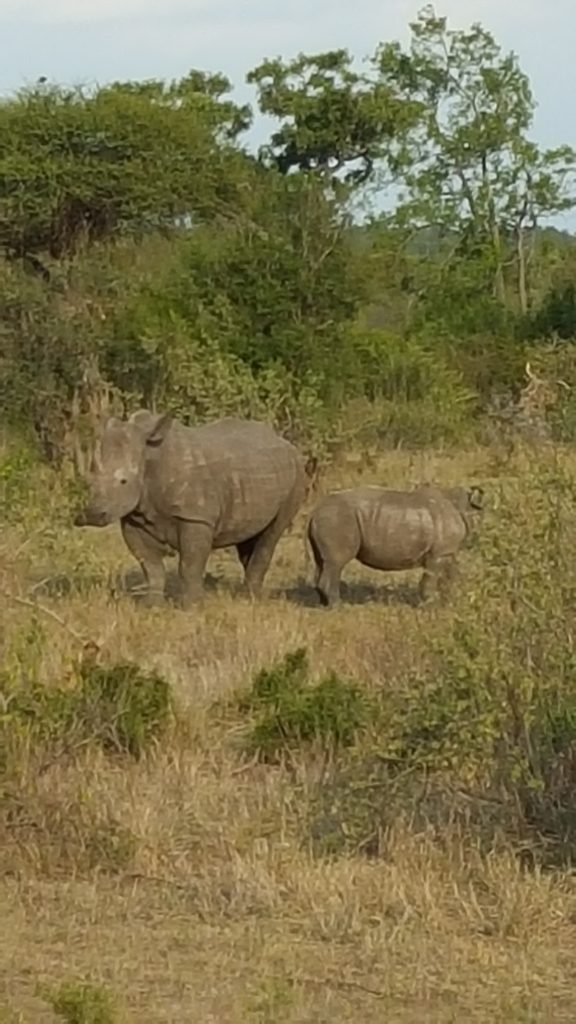
Rhinoceroses have poor eyesight and are very territorial. The white rhino has a big wide mouth for grazing, and the black rhino has a pointed mouth more for browsing.
-
Buffalo are extremely dangerous when threatened. They are normally seen in herds, although older bulls are alone or in smaller groups.
-
The Little 5: elephant shrew, ant lion, buffalo weaver, rhino beetle, and leopard tortoise.
-
The Big Six Birds are the Lappet-Faced Vulture, Southern Ground Hornbill, Pel's Fishing Owl, Saddle-Billed Stork, Martial Eagle, and Kori Bustard.
-
5 Trees: Marula, Fever, Mopane, Baobab, and Knobthorn.
- Cheetah - is the fastest mammal.
-
Warthogs running with tails up.
- Zebra, Giraffe, Kudu and Impala
-
Hippos and crocodiles near rivers.
-
Hyenas at sunrise or sunset.
Bird lovers will enjoy seeing hornbills, eagles, storks, and colorful bee-eaters.
Is It Safe to Do a Self-Drive in Kruger?
Yes, it’s very safe if you follow the rules:
-
Don’t get out of your car unless in a safe, marked area.
-
Don’t feed the animals.
-
Keep your windows up when near big cats or baboons.
-
Obey speed limits and gate times.
Thousands of people do self-drive trips in Kruger every year without problems.

Final Thoughts
If you’re budget-conscious but still dream of an unforgettable safari, a self-drive Kruger National Park experience is perfect. You’ll save money, have more freedom, and create magical memories at your own pace.
You don’t need a tour guide to find adventure. All you need is a rental car, some planning, and a spirit of curiosity. Kruger will do the rest.
So what are you waiting for? Pack your bags, book your flights, and get ready to explore wild Africa from the driver’s seat. The lions are waiting!